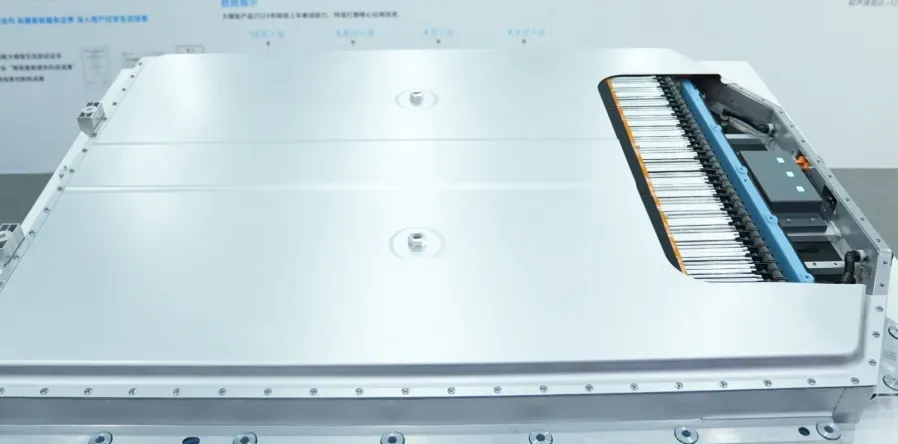
Xiaomi SU7 Ultra fire in Nanchang; battery data normal
A Xiaomi SU7 Ultra has caught fire on 7 June in Nanchang, and the company has said battery data have shown normal operation with no thermal runaway signals; authorities have been notified and investigations have continued.
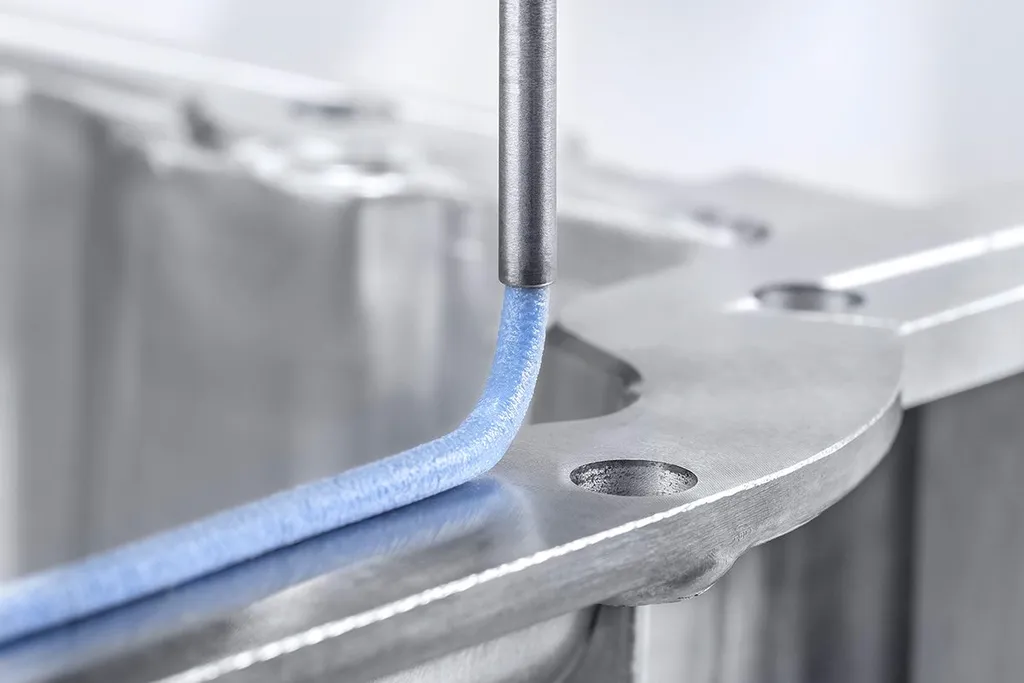
WEVO launches silicone seal for EV battery housings
WEVO has developed WEVOSIL 23130, a liquid silicone rubber for formed-in-place EV battery pack gaskets that has been designed to meet China's tightened GB 38031-2025 safety standard, offering chemical adhesion, fast curing and production-compatible handling.
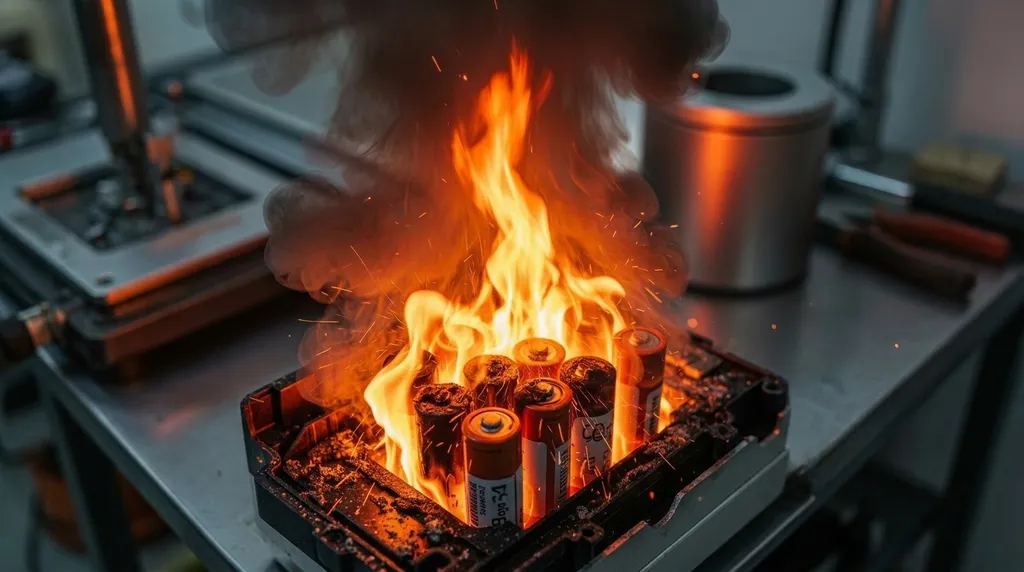
Lithium-ion battery fires strain firefighting systems
Authorities and industry have reported increasing lithium-ion battery fires that have proven difficult to extinguish, have required large volumes of water, and have highlighted gaps in suppression technologies and environmental safeguards.

Yuasa UXL GEN2 VRLA Battery for Extended Service Life
Yuasa has launched the UXL GEN2 VRLA battery for infrastructure DC power and has claimed improved lifecycle performance, thermal resilience and a temperature‑aligned warranty, with design lives of 20 years at 25°C and 10 years at 35°C.

Freudenberg introduces DIAvent maxFlow battery vent
Freudenberg has released the DIAvent maxFlow, a thermal‑runaway degassing valve for lithium‑ion vehicle batteries that has delivered over 190 litres per second at 300 mbar, has featured a 50–200 mbar adjustable trigger and has allowed non‑destructive testing.
Localised 76°C hotspot exceeds 71°C BMS reading in BYD test
A livestream test has recorded a 76.42°C localised hotspot versus a 71°C BMS pole reading during megawatt flash charging, and internal sensors have shown a 6.5°C spread; BYD’s CTO has emphasised evolved thermal design limits.
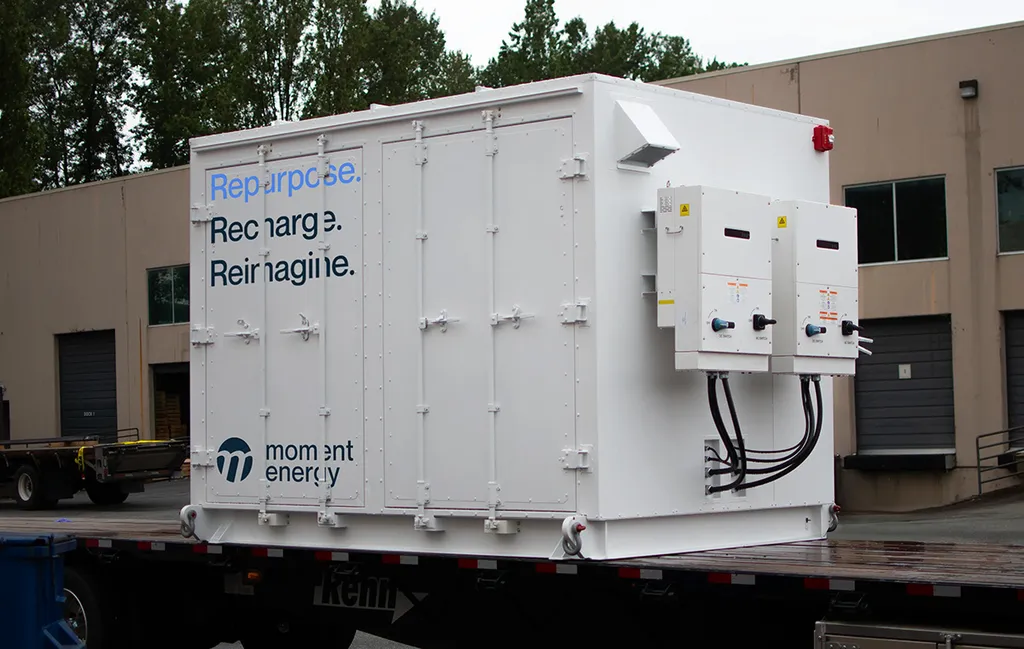
Moment Energy secures UL 60730-1 safety certification
Moment Energy has obtained UL 60730-1 certification for a battery management system for repurposed electric-vehicle batteries, completing its UL safety stack and providing insurers, regulators and utilities with an independently certified safety basis for second-life storage deployments.
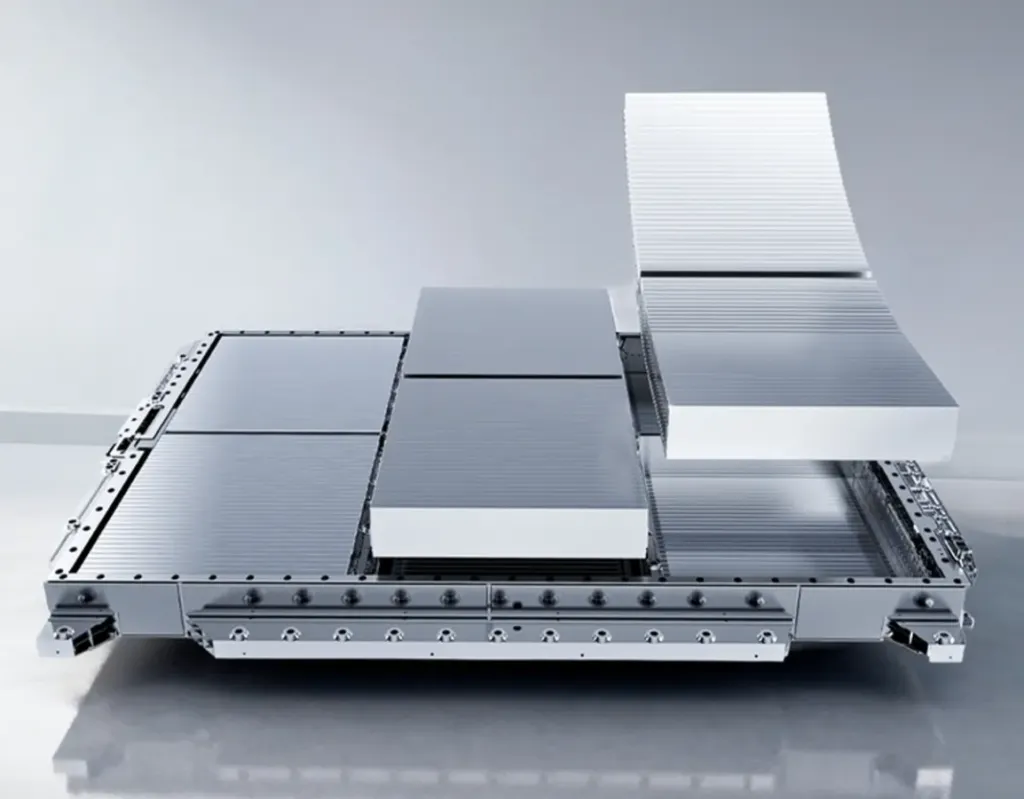
BYD defends Blade Battery and sub-10-minute flash charging
BYD has defended its second-generation Blade Battery and Flash Charge technology, has claimed sub-10-minute charging from 10–97%, has reported 5,924 flash stations, and has emphasised testing and thermal design to address rapid-charge safety concerns.
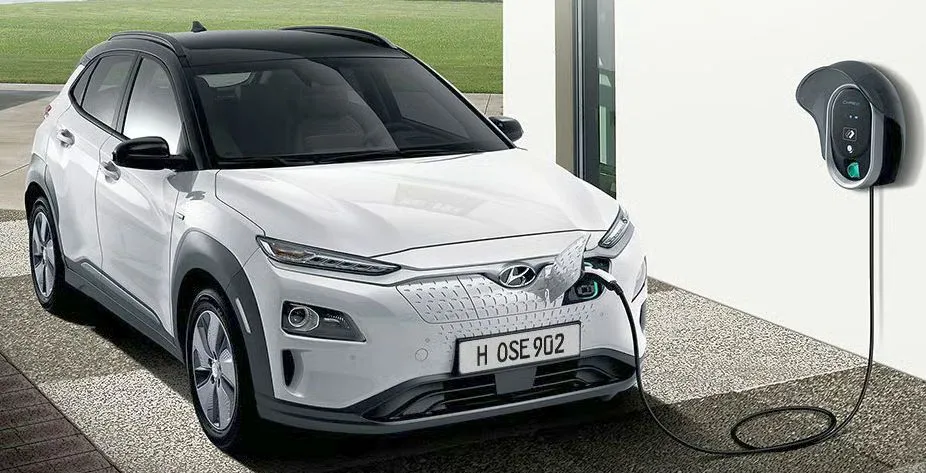
Hyundai recalls 2019–2023 Kona Electric models
Hyundai has issued an urgent safety recall for 2019–2023 Kona Electric models after a Battery Management System software fault has been identified that may cause electrical short circuits and fire; most vehicles have required a software update.
Posifa introduces PGS5100 hydrogen sensor for EVs
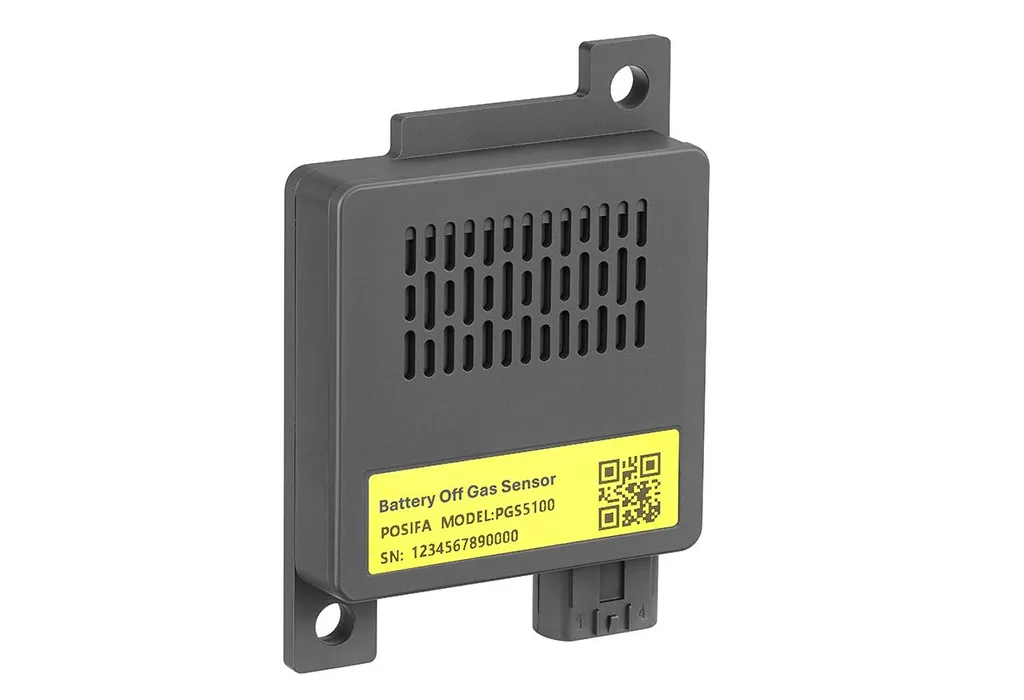
Posifa has introduced the PGS5100 Series, MEMS thermal‑conductivity hydrogen sensors for EV battery packs and fuel cells, and has provided 100 ms response, 0–25% detection range, integrated environmental compensation and a >15‑year rated service life; samples have been made available.
BYD flash-charging test recorded 76°C battery surface
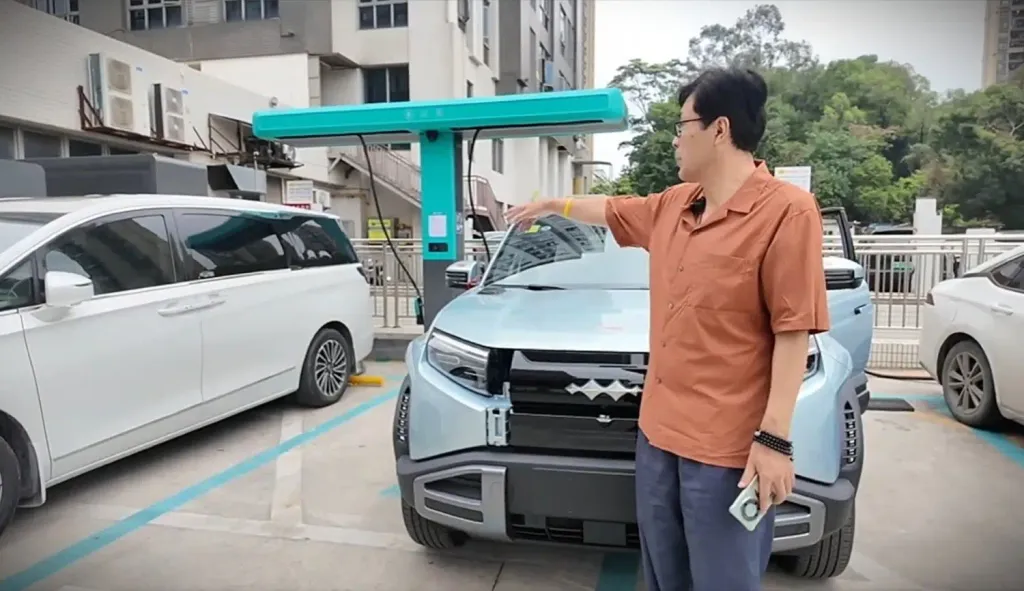
Independent testing has shown battery surface temperatures reached 76°C during BYD's megawatt flash-charging livestream, prompting discussion over thermal management, sensor measurement variance and potential long-term impact as BYD has expanded its flash-charging rollout.
Redwood trials open-air grid storage at data centres
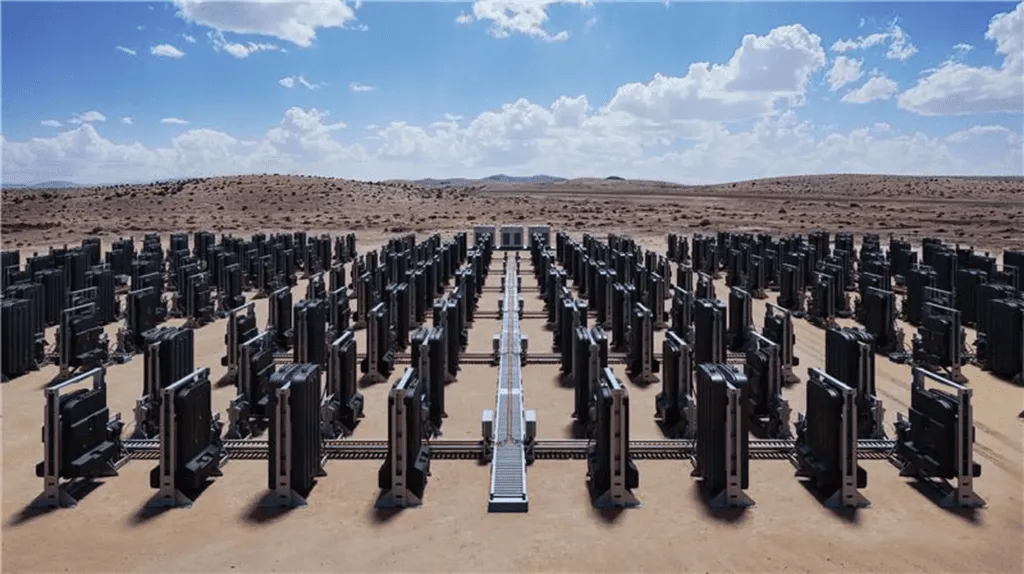
Redwood has deployed open-air repurposed EV battery packs at a Reno pilot to supply Crusoe data centres, has paired 20 MW solar with 12 MWh storage, and has used passive thermal management and proprietary pack-management software.

1300°C silica aerogel insulation for lithium batteries
Researchers have developed a silica aerogel insulation that has withstood up to 1300°C in tests and has demonstrated multi-hour thermal isolation; production methods have been scaled with improved solvent recovery and manufacturers have begun integrating the material into battery systems.
4R Battery Alliance calls for EV battery testing in UK MOT
The 4R Battery Alliance has urged that EV battery diagnostic testing be incorporated into the UK MOT regime, arguing it would reduce safety risks, support second‑life and recycling pathways, and improve transparency in the used electric vehicle market.
Dukosi system secures DNV approval for PowerStack
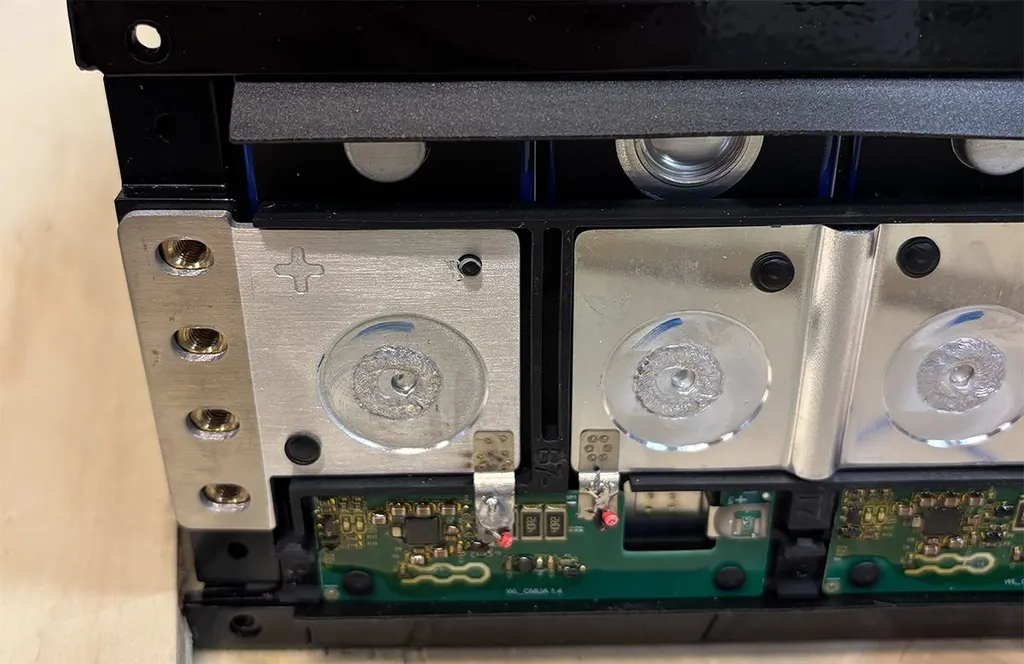
Dukosi's chip-on-cell monitoring system has enabled Nordic Marine Power's PowerStack to achieve DNV type approval for installation on all DNV-classed vessels, and has demonstrated per-cell temperature and voltage monitoring using Dukosi's contactless C-SynQ protocol.

Sodium-ion cell achieves thermal-runaway suppression
Researchers at the Chinese Academy of Sciences have developed a polymerisable non‑flammable electrolyte that has suppressed thermal runaway in 3.5 Ah sodium‑ion cells, has retained performance and has passed 300°C abuse tests, supporting prospects for commercial scaling.
China launches national power battery traceability platform
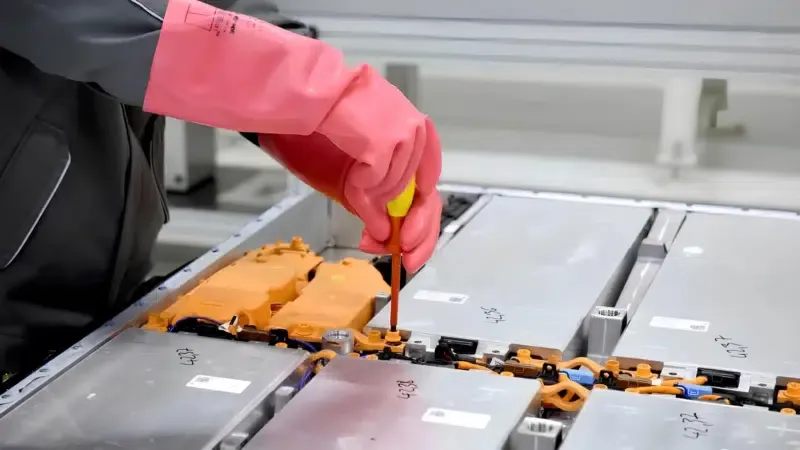
China has launched a national power battery traceability platform and has mandated industry integration from 1 April, centralising lifecycle data and requiring manufacturers, vehicle producers, maintenance firms and recyclers to report production, sales, maintenance and recycling information.
Limits of third-party BMS safety certification
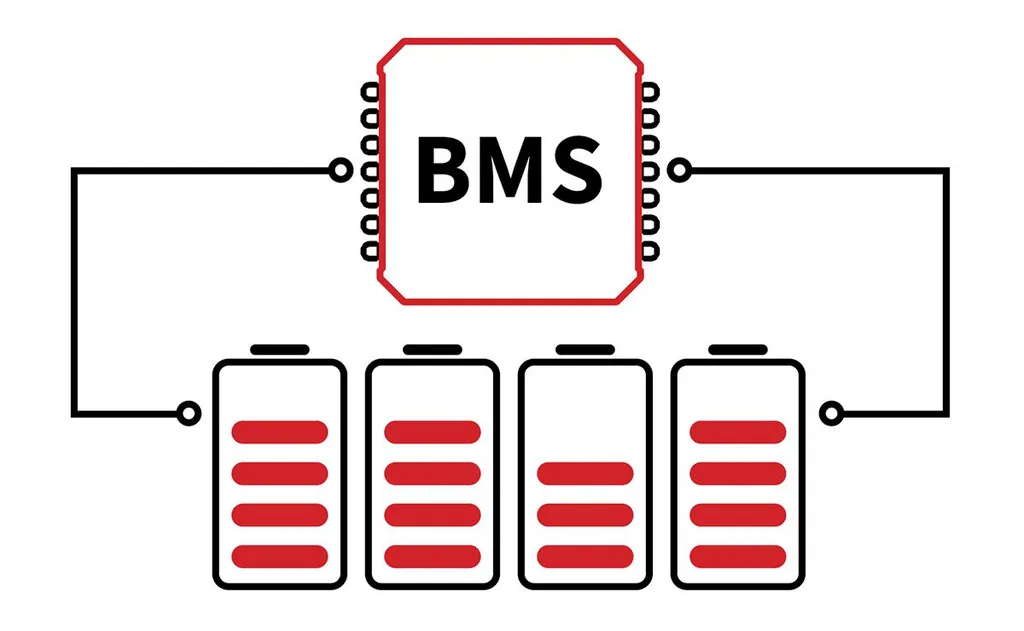
A recent analysis has shown that third-party functional safety certifications for BMSs have often validated controller electronics but have not necessarily ensured cell-level monitoring or protection; firms have been advised to start with an FMEA and verify system architecture.
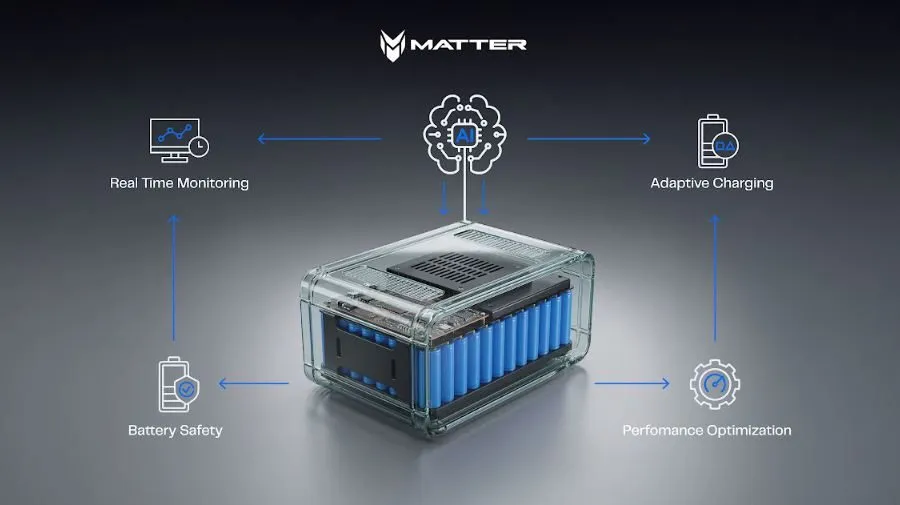
MATTER integrates Iontra battery intelligence
MATTER has integrated Iontra’s battery intelligence into its AI‑Defined Vehicle platform, enabling real‑time state‑of‑health sensing and adaptive charge control to predict degradation, manage thermal stress and potentially improve charging speed, reliability and lifetime ownership costs.

Integrated thermal safety for electric transit fleets
moviTHERM and Troman have launched an integrated thermal-safety platform for buses, rail and paratransit, combining infrared monitoring, onboard detection and suppression to cover vehicles, depots and charging sites via a single cloud-based system.

Nordic launches adaptive battery health platform
Nordic Semiconductor has unveiled an adaptive battery health platform that has provided real-time fuel-gauge analysis and State-of-Health reporting, and has integrated cloud analytics for fleet-level battery monitoring and predictive replacement insights.
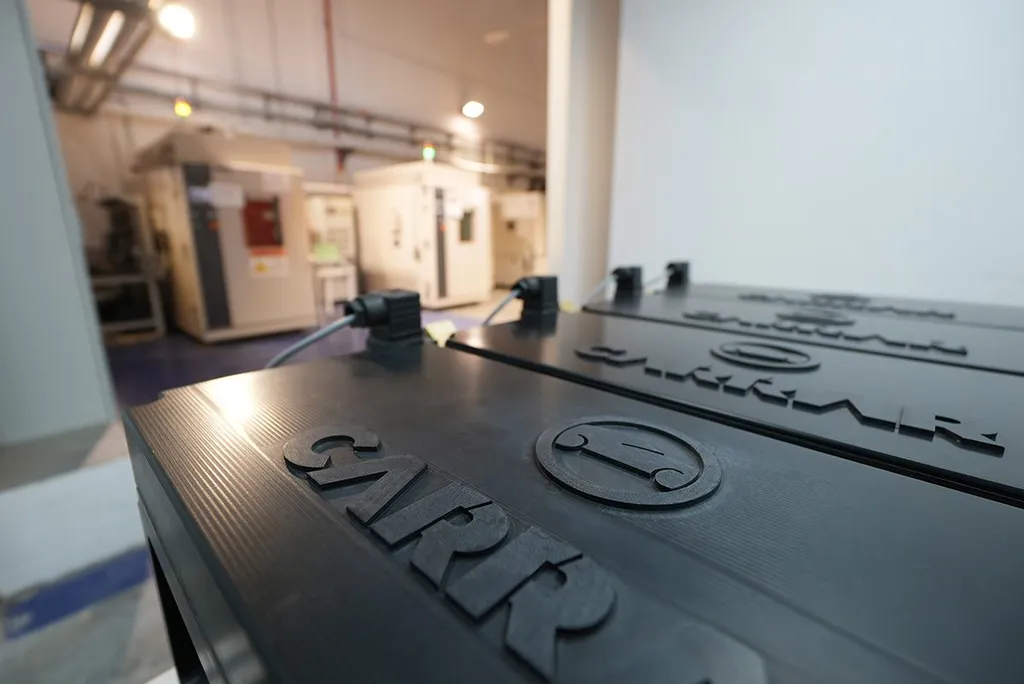
Immersion Cooling Stops Thermal Propagation in Batteries
Carrar has reported that R&D tests have shown its Two‑Phase Immersion Architecture has prevented thermal propagation between NMC pouch cells, with a triggered cell exceeding 800 °C while an adjacent cell has remained near 50 °C.
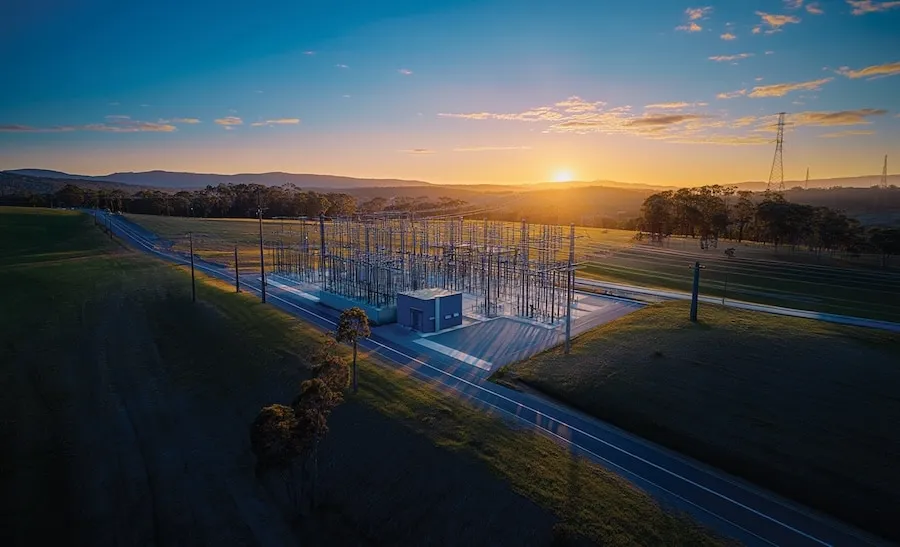
Australian-made DC power systems for critical assets
Century Yuasa's locally engineered DC power systems have provided asset operators greater control over specification, compliance, testing and lifecycle services, and have reduced integration and operational risk in Australian critical infrastructure environments characterised by high temperatures and remote sites.
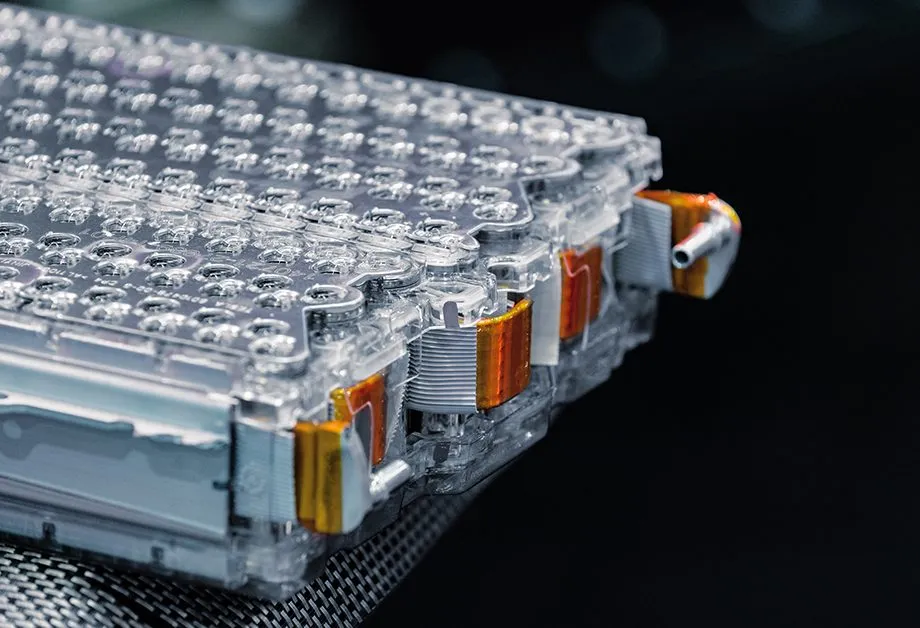
PSA tapes optimise EV battery manufacturing
Manufacturers have adopted PSA tapes and have reduced process steps and capital expenditure, have supported robotic application, have lowered scrap rates, and have enabled in-line quality checks and tailored dielectric and thermal protection.
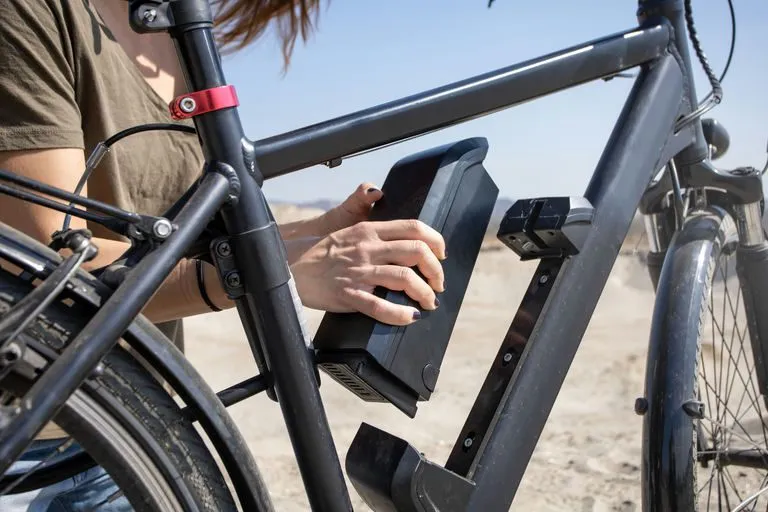
Functional Safety in eMobility Battery Systems
A webinar has been organised by Intertek to compare common eMobility battery and product standards and has outlined methods to implement application-specific functional safety test plans, covering battery safety functions, tests and EMC evaluations for EV engineering stakeholders.
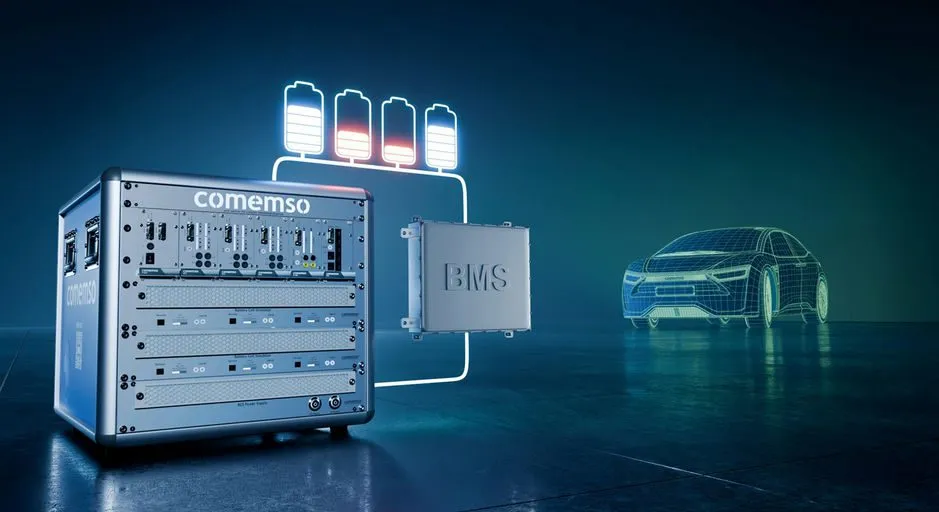
Webinar on accelerating BMS development and validation
A webinar has presented a compliance‑aware approach to accelerate battery management system development and validation while maintaining requirements alignment, testing and traceability, addressing risks associated with compressed schedules.

AVL webinar on battery design for new safety standards
China has updated EV battery safety standards, and AVL has developed a 'No Flame-Out' pack design using multi-scale simulation, empirical testing and analytics; a webinar has been scheduled for the Virtual Conference on EV Engineering.
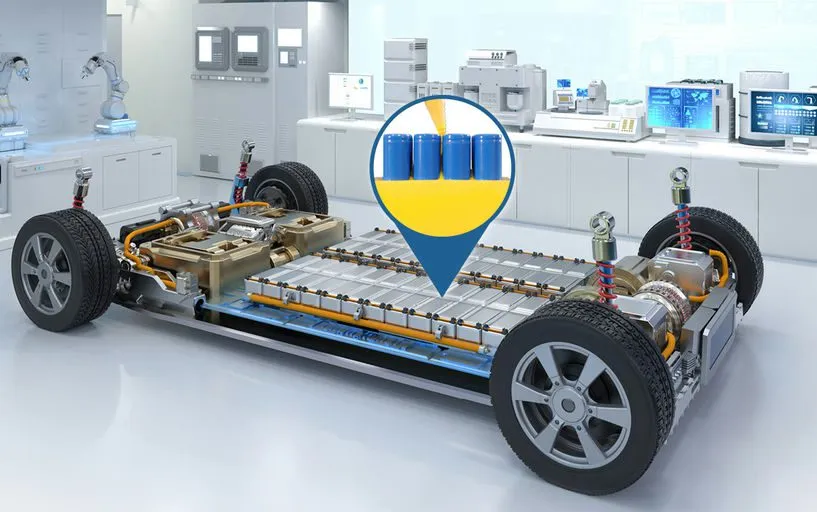
Webinar on e-mobility battery pack materials and testing
The webinar has examined material and design approaches for e-mobility battery packs, highlighting non-cellular elastomer potting versus foam, and has assessed implications for safety, durability, manufacturability and production efficiency.
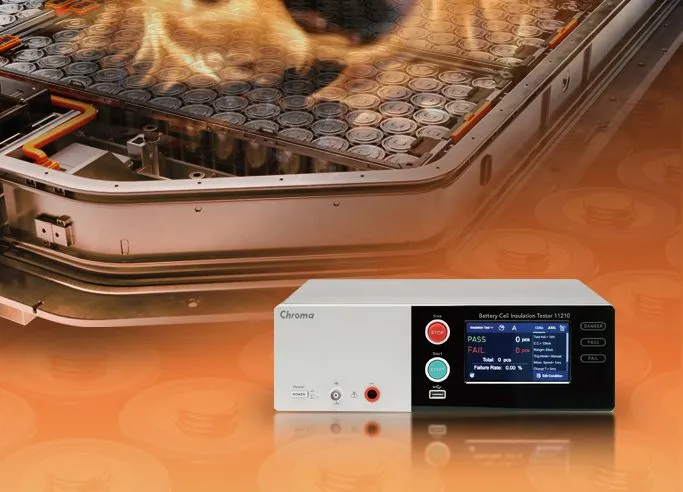
Mitigating catastrophic failure risk in EV battery cells
A webinar has been organised by Chroma to outline methods for identifying and removing defective lithium‑ion cells before electrolyte introduction, after reports have indicated Hipot and IR tests have failed to detect latent internal shorts.
Tata Technologies' WATTSync supports Battery Aadhaar
Tata Technologies has announced that its WATTSync platform has been adapted to integrate India's Battery Aadhaar, supporting BPAN management, lifecycle tracking, interoperability with regulatory systems and analytics for performance, provenance and recycling compliance.
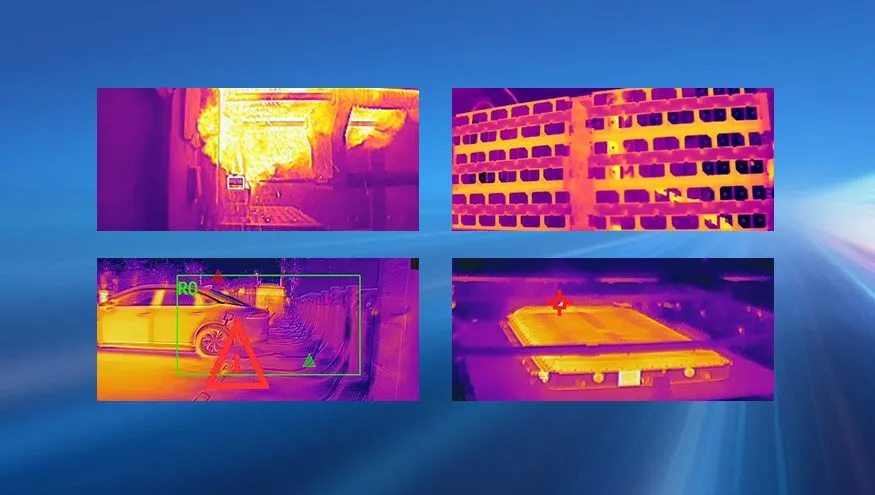
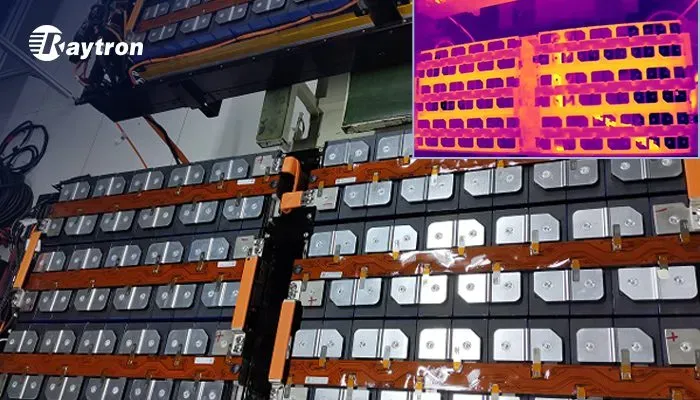
Raythink proposes three-layer lithium-ion thermal monitoring
Raythink has outlined a three-layer infrared monitoring approach that has centralised thermal data on a cloud platform, has deployed rugged cameras across production and storage, and has integrated outputs with BMS and safety systems to address lithium-ion lifecycle risks.
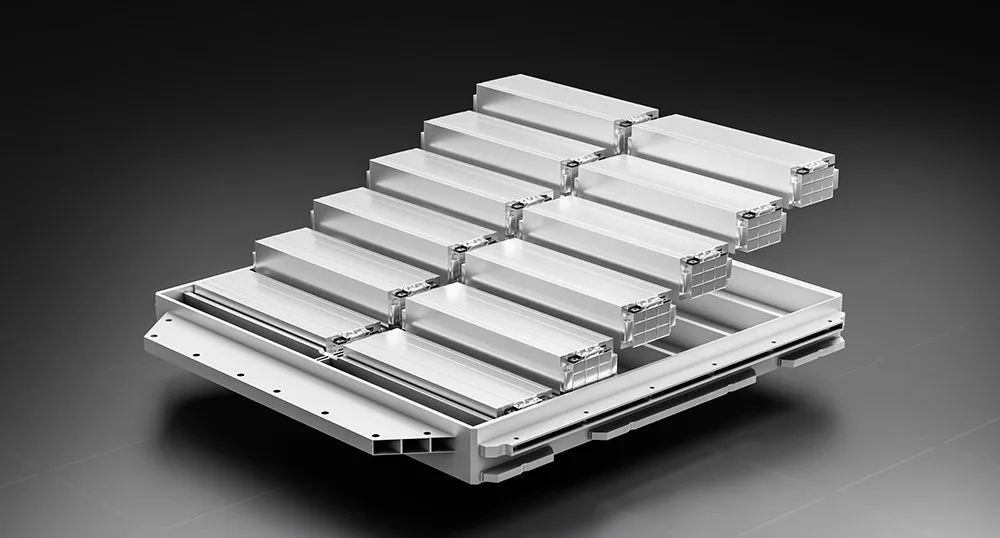
Kikusui test systems for EV on-board chargers
Kikusui has provided test systems that have enabled AC and DC evaluation of on‑board chargers, reproducing global grid conditions, supporting bidirectional DC testing and regenerative operation for compliance, performance validation and accelerated development.
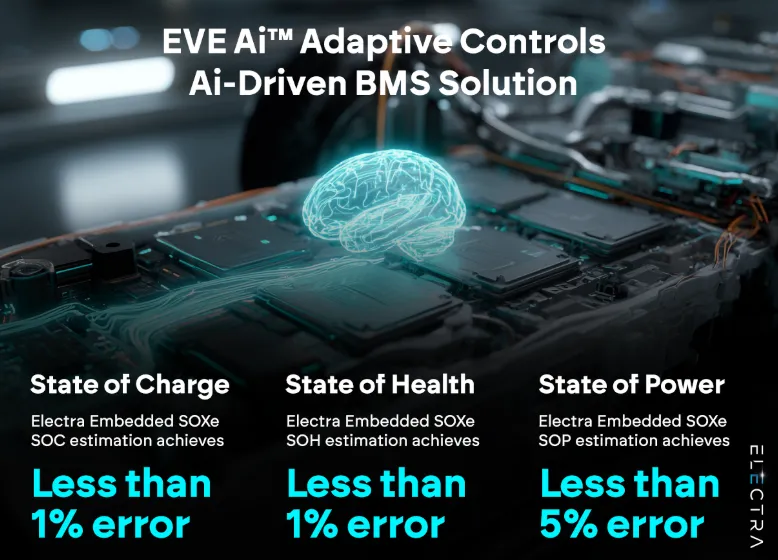
Electra validates AI-driven battery management system
Electra Vehicles has validated EVE‑Ai Adaptive Controls, an AI-driven battery management system embedding real-time AI and physics‑informed algorithms at the edge, and has reported improved State of Charge and State of Health estimation accuracy.
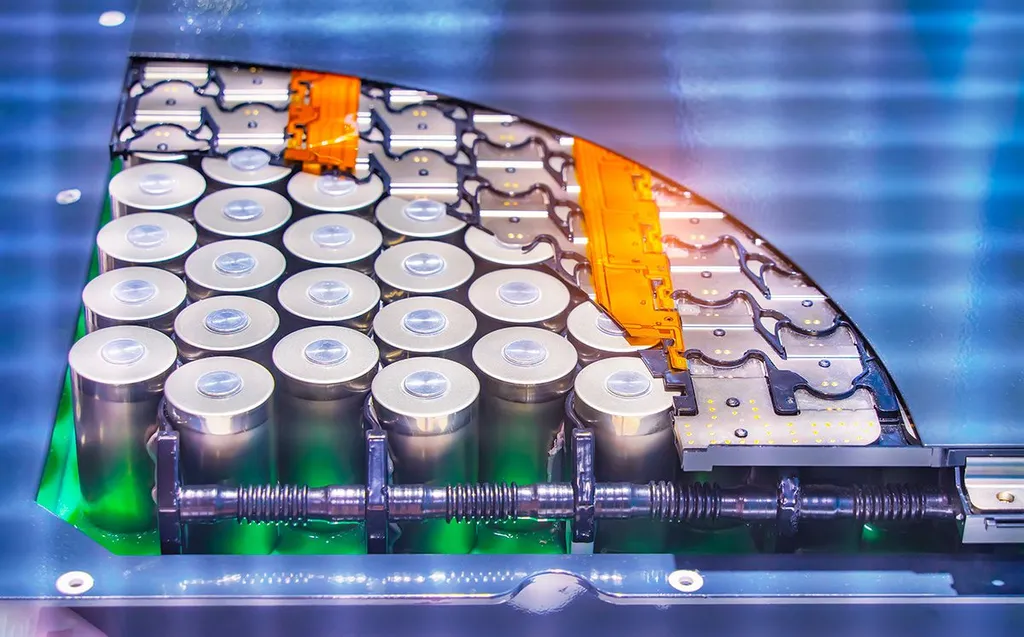
Integrated FPC Cell Contacts for Battery Packs
Manufacturers have adopted flexible PCB-based cell contacting systems to replace discrete wiring, and have reduced assembly costs, improved manufacturing reliability and data quality, and have enabled more effective battery-management monitoring to support higher energy-density pack designs.
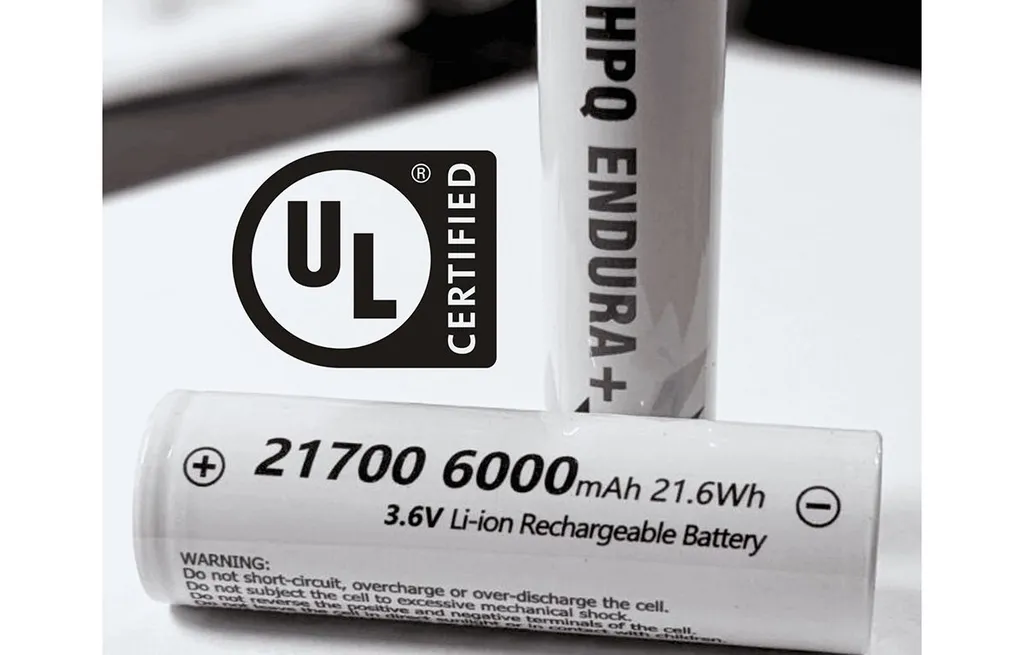
HPQ ENDURA+ cells awarded UL 1642 certification
HPQ Silicon's ENDURA+ 18650 and 21700 cells received UL 1642 certification, enabling US commercial sales and advancing the platform from validation to commercialisation.
Thermal management advances for EVs and BESS
IDTechEx projects increased adoption of active and passive cooling in EVs and BESS, driving shifts to immersion and direct oil cooling and fire-protection materials; market forecast above US$25bn by 2036.
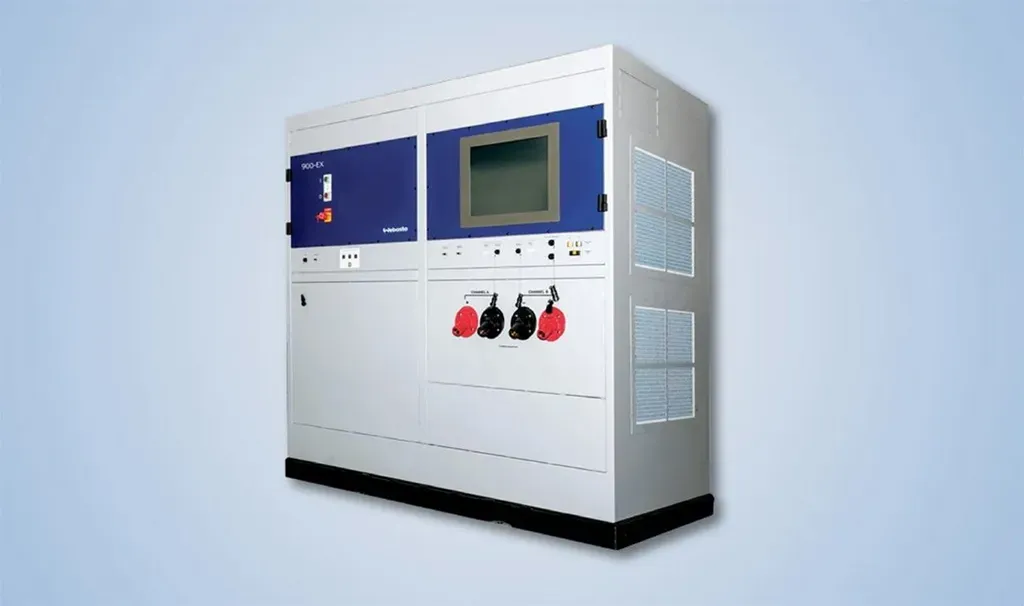
Webasto and Maccor collaborate on EV battery test systems
Webasto and Maccor have partnered to offer integrated EV battery test systems from cell cycling to high-voltage pack emulation, supplying OEMs, labs and universities with US-based manufacture and service.
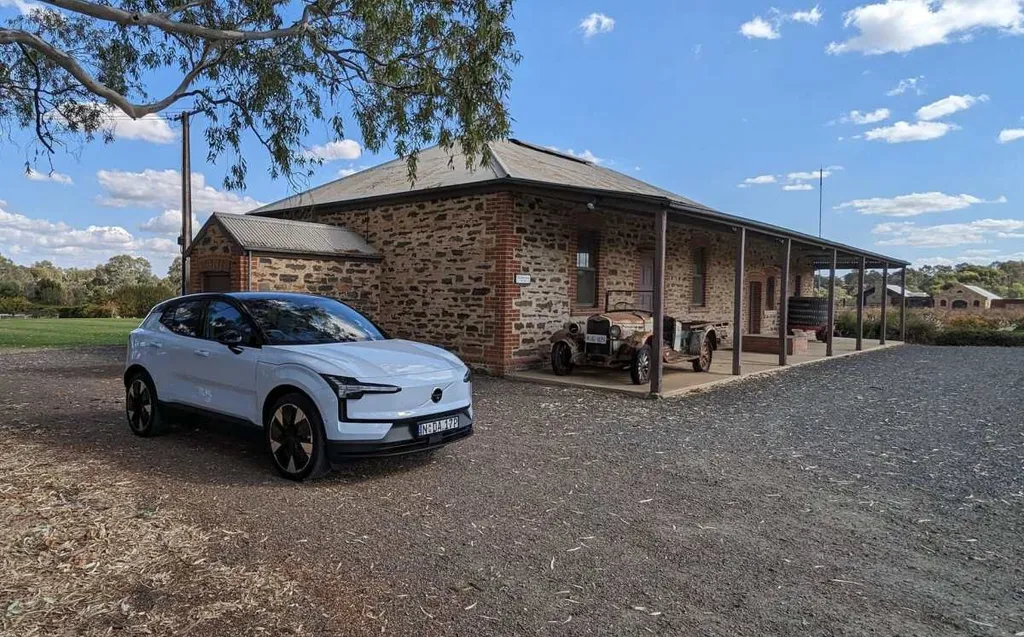
Volvo EX30 battery charge advisory and recall
Volvo has advised owners of certain 2024 EX30 models to limit charging to 70% due to a suspected manufacturing fault; a recall is registered in Australia and remedies are pending.
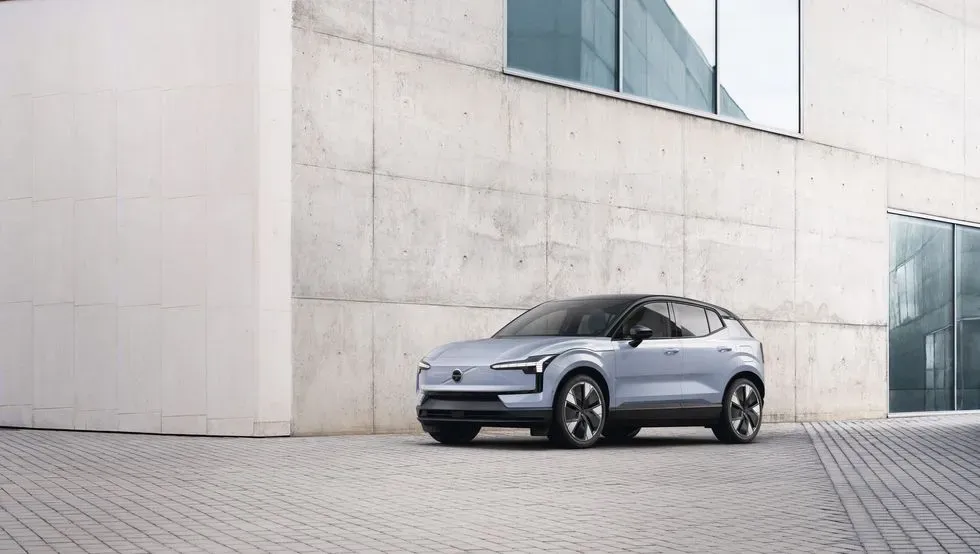
Volvo EX30 owners advised to limit charging to 70%
Regulator warns 2,815 units of 2024 Volvo EX30 should not be charged above 70% due to a battery cell manufacturing defect; remedy pending and owners will be contacted for free repairs.
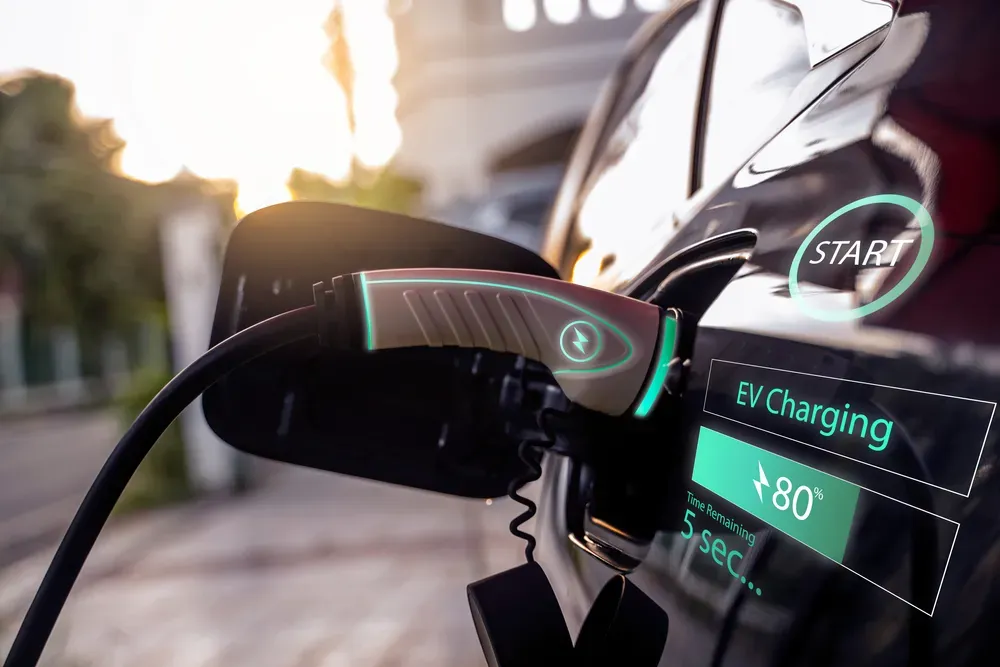
SAFELOOP develops recycled-content Li-ion EV battery
SAFELOOP, a Horizon Europe-funded consortium, will develop recycled-content lithium-ion cells for e-buses, targeting improved safety, 15% longer lifetime and enhanced recyclability to support EU supply-chain resilience.
India proposes unique identification system for EV batteries
Draft guidelines would assign a 21-character digital ID to EV battery packs, enabling lifecycle tracking, regulatory oversight and improved recycling and second-life management.

China mandates no fire, no explosion EV battery safety
China finalised 294 national standards, making EV power-battery no-fire, no-explosion safety requirements mandatory; GB 38031-2025 takes effect 1 July 2026 with transition to 2027.
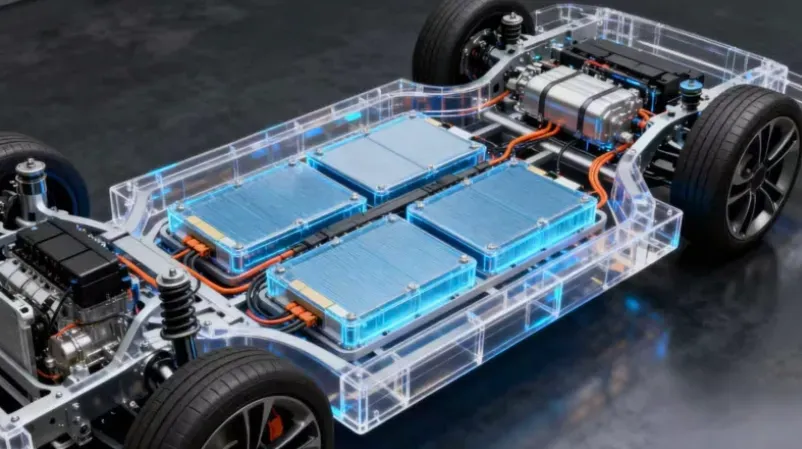
AI and edge computing in EV battery management
AI and edge computing enable intelligent battery management systems that predict degradation, improve state-of-charge and state-of-health accuracy, process data on-board to reduce latency and support predictive maintenance.

Experts question safety claims of solid-state batteries
Chinese experts note solid-state batteries are not inherently risk-free, citing unresolved thermal and dendrite hazards, amid automaker development plans and a forthcoming 2026 safety standard.
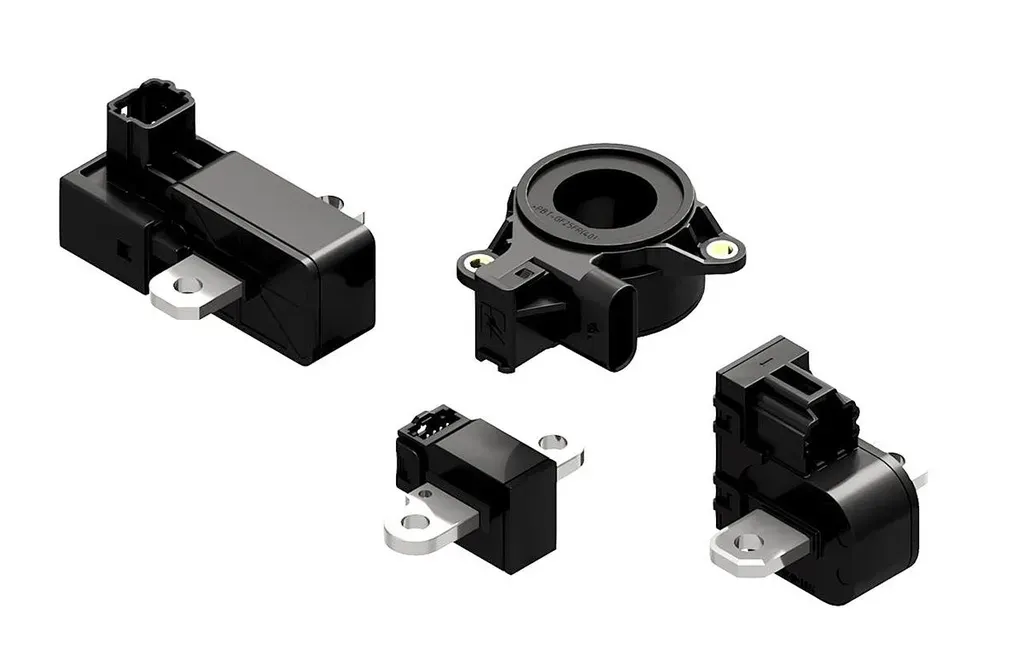
Littelfuse introduces automotive current sensor family
Littelfuse introduced six automotive current sensors offering isolated Hall-effect measurement up to ±1500 A with analogue or digital outputs, CAN support and ASIL-C capable designs for EV and HEV systems.
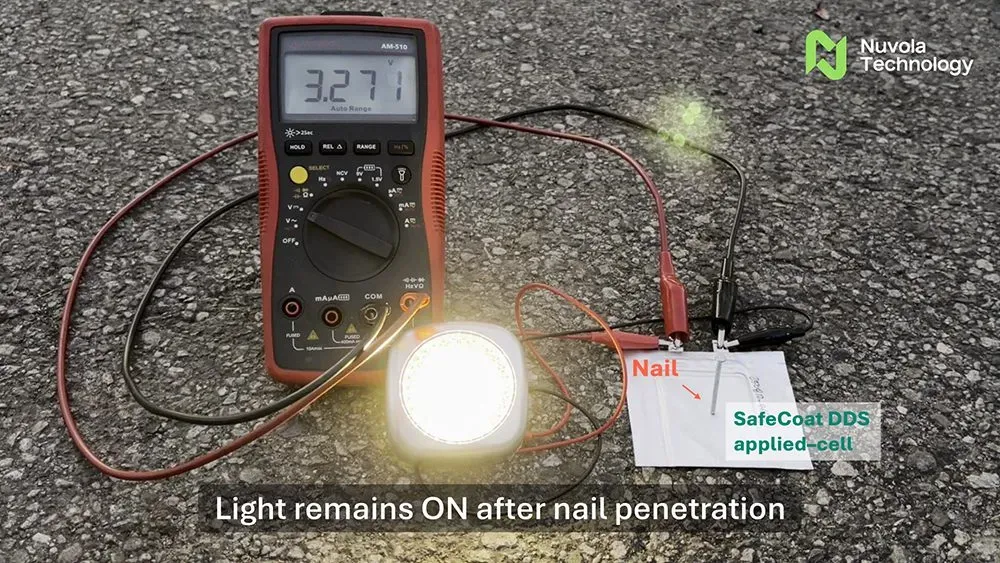
Nuvola SafeCoat separator prevents thermal runaway in tests
Nuvola reported its SafeCoat separator prevented thermal runaway during nail penetration tests and remains stable above 220°C; it is compatible with existing production lines and may reduce pack insulation needs.