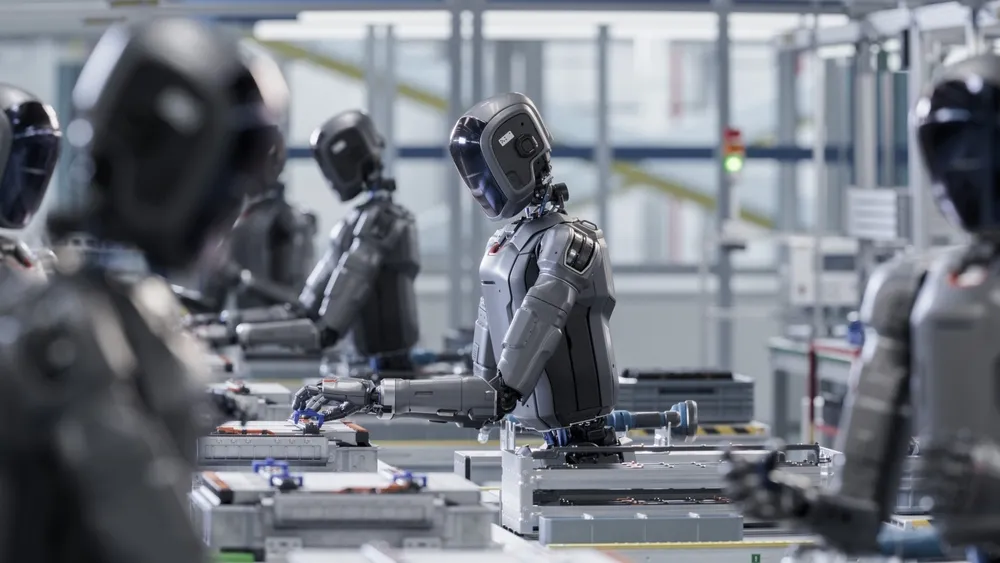
First Hydrogen advances robotics acquisition
First Hydrogen has advanced a proposed robotics acquisition, has incorporated First Humanoid Corp., and has secured related domain names and intellectual property, and has positioned itself within robotics, actuation and AI-enabled mobility markets.
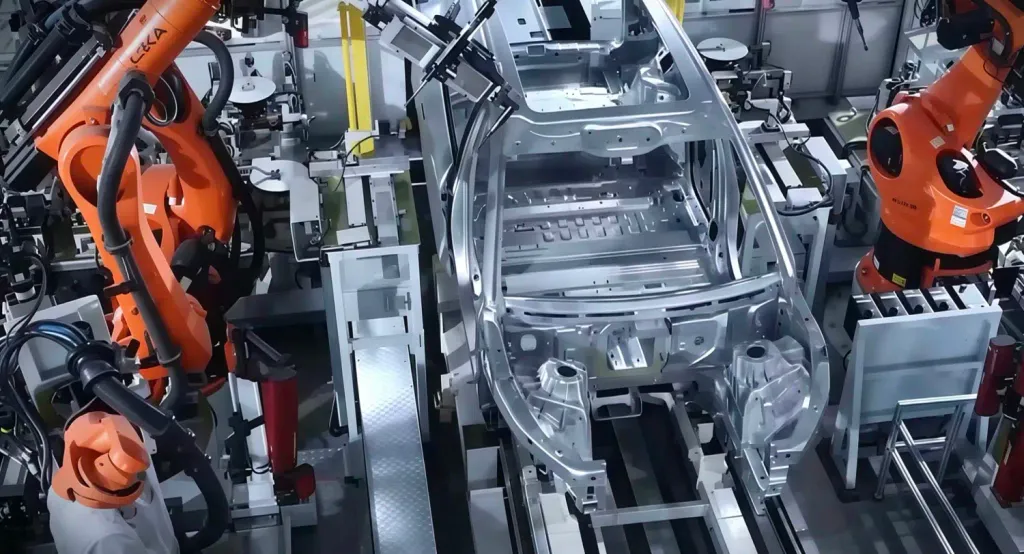
China establishes four-tier smart factory system
China has established a four-tier smart factory system covering about 43,000 plants, has integrated AI into Excellence and Leading assessments, and has reported material efficiency gains and shortened development cycles while targeting automotive, aerospace and heavy industry for further deployment.

BYD confirms humanoid robot development
BYD has confirmed it has been developing humanoid robots, has said automotive AI skills are transferable, and has indicated it could sell robots via its dealer network and has discussed an open-platform manufacturing approach.
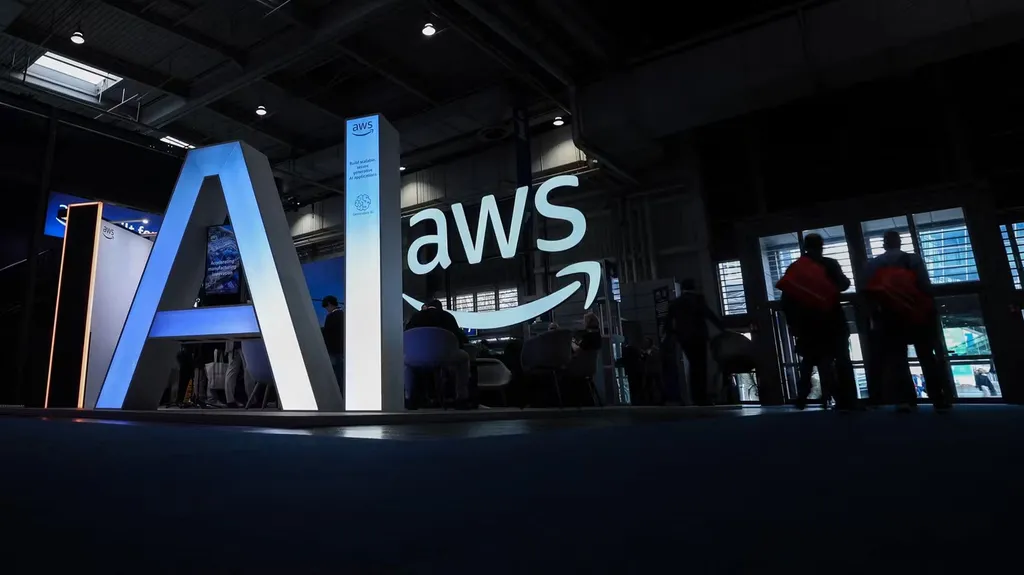
Tierra Demonstrates AI-Driven Fleet Management on AWS
Tierra S.p.A. has presented AI-driven enhancements to its fleet management platform at AWS Summit 2026. It has reported production deployment that has improved user experience, system efficiency and cost metrics through collaboration with AWS.

Octave: AI governance and data continuity in infrastructure
Octave has urged that AI adoption in infrastructure has required enterprise-grade governance and continuous, auditable data across design, construction and operations to reduce handover risks and support accountable decision-making.

UK adoption of physical AI: progress and challenges
Capgemini has reported that UK organisations have adopted a phased approach to physical AI, prioritising safety, pilots and capability building while signalling growing strategic importance and cautious investment.

GMV on security and validation for agentic AI
GMV has advocated continuous verification and validation for non-deterministic agentic AI, has highlighted security risks including prompt injection, RAG knowledge-base poisoning and document jailbreaks, and has noted the relevance of the EU AI Act and emerging TEVV standards.

GMV presents final SEPI-IA results for lung-disease AI
GMV and Complutense University have presented final SEPI-IA results, which have demonstrated an AI prototype to predict progression of diffuse interstitial lung diseases, developed with Spanish hospitals and funded via CDTI under PRTR and NextGenerationEU.

Five AI Myths in Fleet Management
The blog has examined five common misconceptions about AI in fleet management and has outlined realistic capabilities, implementation steps, scalability for smaller operators, expected timelines for results, and recommended practices for data quality and provider support.

Detroit automakers cut over 20,000 US salaried roles
Major Detroit automakers have cut over 20,000 US salaried jobs amid technological shifts, including AI, and have reallocated resources towards software, autonomous and AI-related roles and have conducted cost and efficiency measures.
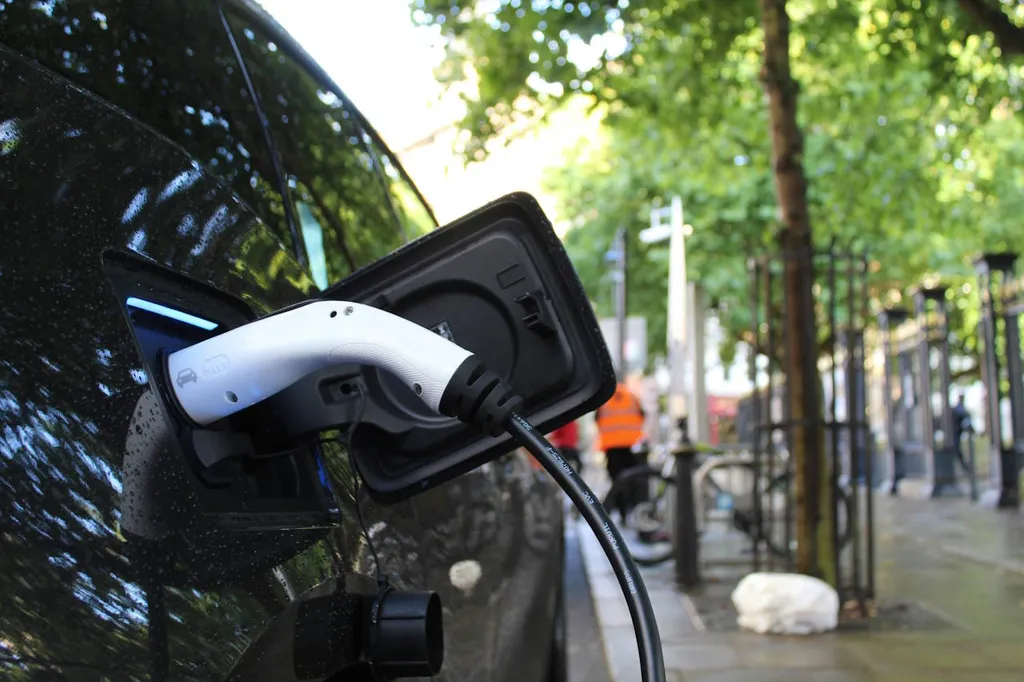
AI charging strategy extends EV battery life
Researchers have developed an AI-based rapid-charging strategy that has extended battery equivalent full cycles by 22.9% while keeping average charging time virtually unchanged; the method has used reinforcement learning and has required only software updates, pending physical validation.

GM cuts IT roles amid workforce restructuring
General Motors has eliminated about 500–600 IT positions, mainly in Austin and Warren, as it has transformed its IT organisation; affected employees have been offered tiered severance, health‑care payments and outplacement and have been required to sign release agreements.

AI charging strategy extends EV battery life in simulation
Chalmers researchers have developed a reinforcement‑learning charging strategy that has extended simulated EV lithium‑ion cycle life by about 23% without increasing charge times and has been deployable via software updates pending physical validation.

GMV addresses industrial AI challenges at Madrid forum
GMV has participated in the German-Spanish Digital Industry Day in Madrid and has highlighted industrial AI scaling, governance and certification. It has presented ISO/IEC 42001 certification while industry and government representatives have discussed digitalisation priorities.

China EV makers pivot from price war to in-car AI
Chinese electric-vehicle makers have shifted competition from price cuts to deploying in-car artificial intelligence features and have integrated models such as ByteDance's Doubao and Alibaba's Qwen across millions of vehicles to differentiate offerings amid persistent sales pressure.

Alibaba's Qwen AI to be integrated into vehicles
Alibaba has announced that its Qwen AI has been integrated into vehicles from multiple Chinese automakers, enabling voice-based services such as food orders and hotel bookings, operating on Nvidia automotive chips and combining on-device processing with cloud computing.
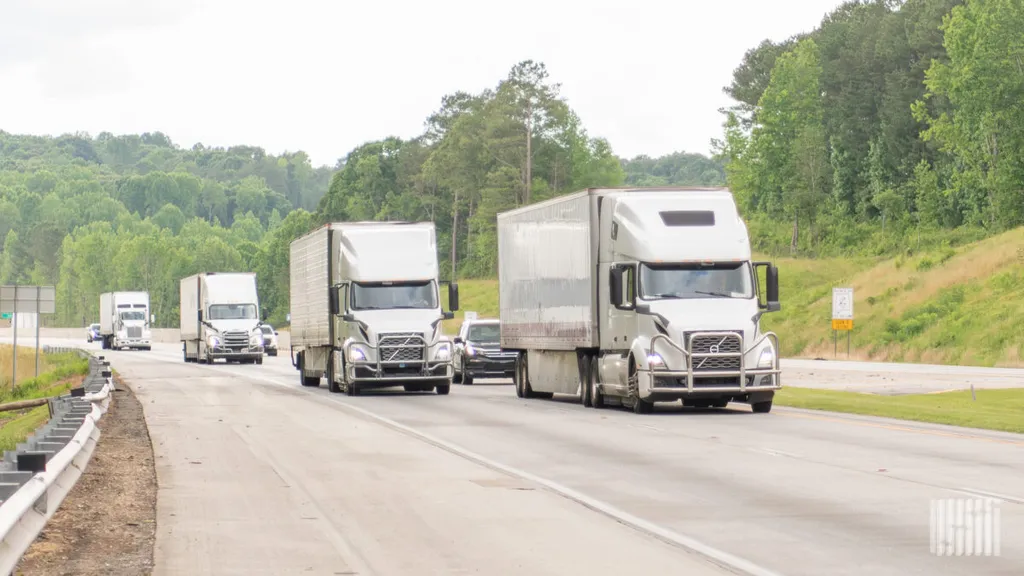
BeyondTrucks launches AI rate table platform
BeyondTrucks has launched RateAgents, an AI platform that has converted contract pricing language into executable rate-table code and has enabled mid-market carriers to automate bespoke pricing formulas, reducing dependency on custom engineering and manual billing processes.


Nokia and Orange collaborate on AI-enabled RAN
Nokia and Orange have announced a collaboration to develop and evaluate AI-driven radio access network technologies using Nokia’s anyRAN 5G software and NVIDIA AI infrastructure, and have sought to improve network performance, energy efficiency and readiness for 6G.

GMV obtains ISO 42001:2024 AI management certification
GMV has obtained ISO 42001:2024 certification for its Artificial Intelligence Management System, which has been validated by AENOR and has covered development and client-facing AI solutions, reinforcing governance, traceability and compliance with evolving EU AI regulation.

Energy systems integrate data, AI and digital infrastructure
A colloquium has concluded that energy systems have become interdependent with data, artificial intelligence and digital infrastructure, with data serving as the backbone, AI improving optimisation, and deployment requiring organisational adaptation, while digitalisation has increased energy demand.
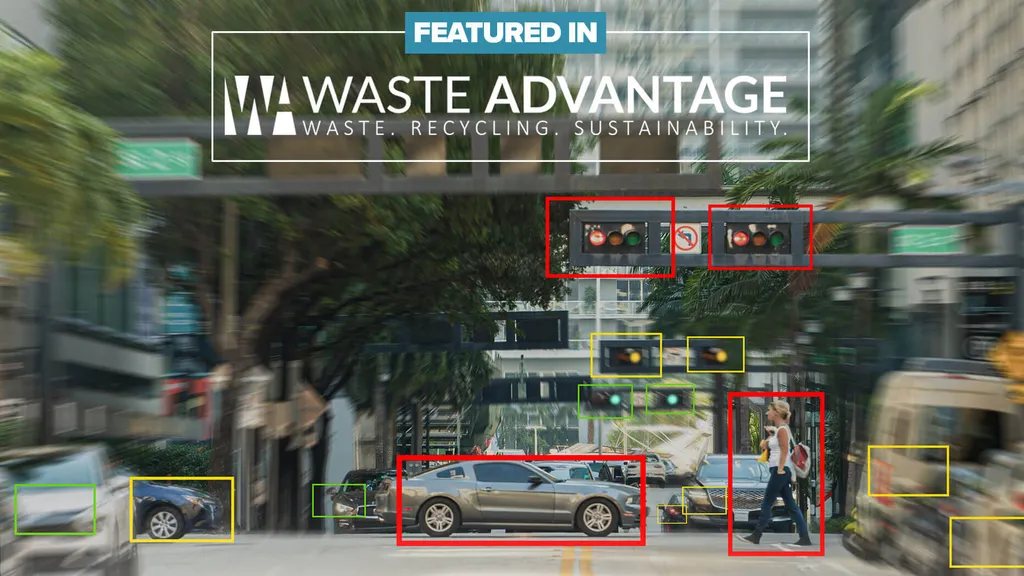
AI Deployment in Waste Operations
Fleets have adopted AI-driven camera systems that have enhanced safety, contamination detection and overload monitoring, and have integrated with workflows to deliver objective incident records, improve operational efficiency and support regulatory compliance.
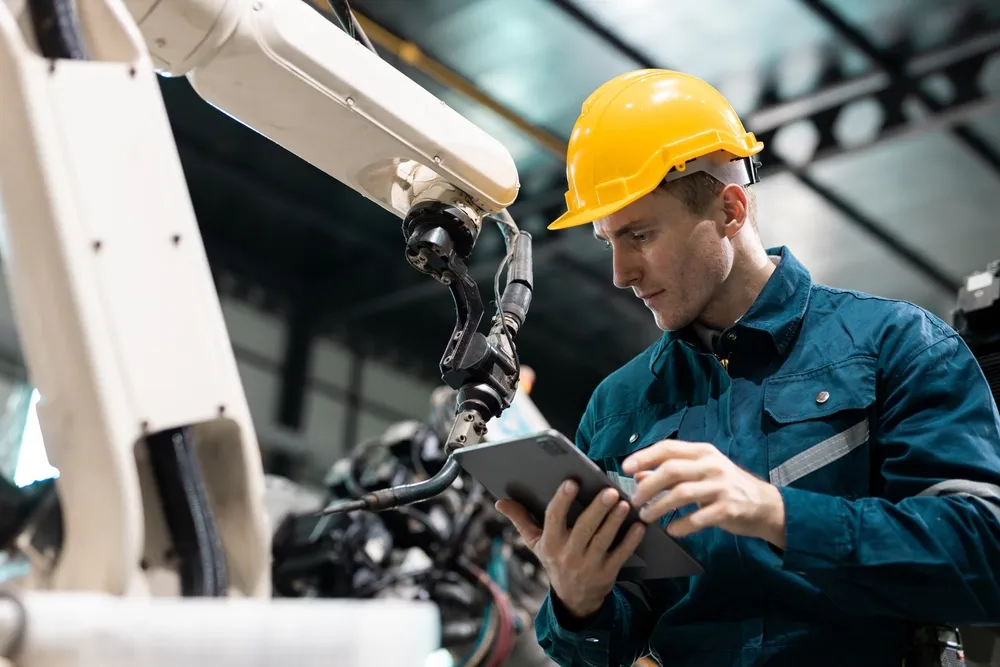
RoboTwin enables factory workers to teach robots
RoboTwin has developed a handheld, no-code system that has converted human demonstrations into robot programmes and has sought to simplify automation for SMEs; it has secured EU grant support and has expanded commercial trials across Europe, North America and Mexico.

Intelligent networks for Europe's digital infrastructure
Europe has invested heavily in connectivity but has seen flat telecom revenues and value has accrued outside operators; European telecoms have begun embedding AI into networks to enable real-time services, efficiency gains and new monetisation models.

Indosat pursues AI strategy to build sovereign capabilities
Indosat has repositioned as an AI-native operator, has deployed GPU-based infrastructure and the Sahabat AI platform for Bahasa Indonesia, and has partnered with global cloud vendors to develop domestic data‑centre and sovereign cloud capabilities.

NAVTOR integrates AI into customer support
NAVTOR has implemented AI tools in customer support to accelerate responses, automate documentation and triage tickets, and has projected reductions in first‑response times and improved customer satisfaction while retaining human oversight.

Autobrains applies agentic AI to ADAS and automated driving
Autobrains has introduced agentic AI for ADAS and automated driving, has deployed modular specialised agents that have reduced compute and data demands, have improved handling of edge cases and have reached commercial deployments with global automotive partners.

Governance Required for Industrial Edge AI
Organisations have accelerated Edge AI adoption and have exposed gaps in governance, efficiency and IT/OT accountability; analysts have said unified monitoring and clarified responsibilities have been required to align people, processes and technology for secure, distributed industrial operations.

Azercell outlines AI-driven network and fibre strategy
Azercell has described its nationwide fibre upgrades and AI-enabled autonomous network initiatives, saying they have improved resilience, reduced latency and supported traffic optimisation for events and environmental disruption, and have been positioned to enable new enterprise services and commercial growth.
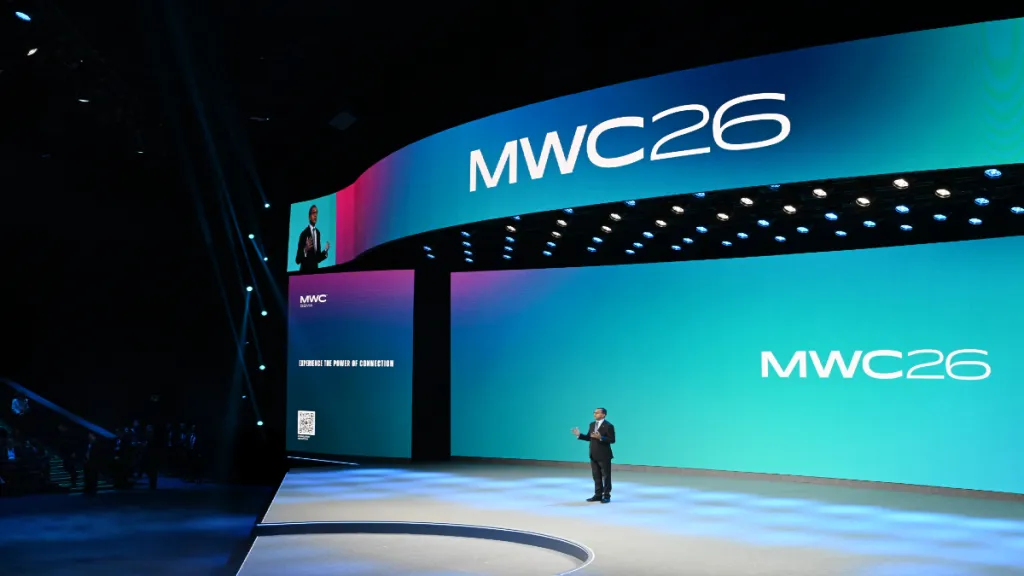
Telecoms shift from AI hype to practical deployment
GSMA Intelligence has reported that telecoms have shifted from conceptual AI discussion to practical deployment, identifying agentic, sovereign and AI-RAN lanes, and has emphasised attention to core network AI, sovereign solutions, sustainability and 6G sensing.

Deutsche Telekom expands AI across services and networks
Deutsche Telekom has outlined plans to embed AI across customer services and network operations, including voice-enabled call assistance and automated network management, and has described incremental rollouts and AI-native architecture objectives for 6G.

Vodafone upgrades German last-mile network with Aurora
Aurora Networks has upgraded Vodafone’s German broadband access with Remote PHY, Distributed Access Architecture and virtual CMTS, and has enabled centralised management, automated provisioning and multigigabit-capable last-mile connectivity to improve throughput, latency and operational flexibility.
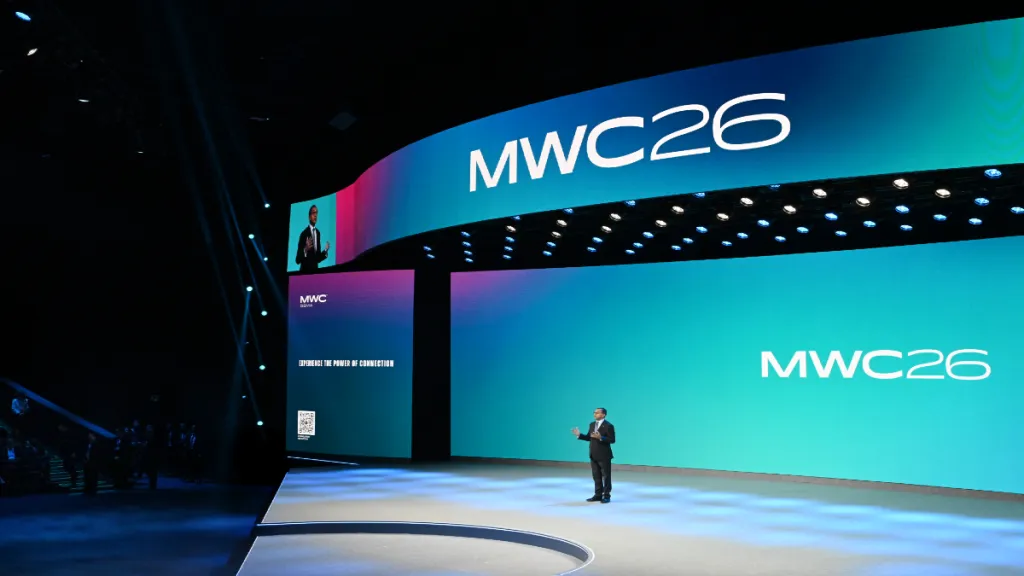
Telecom operators shift from AI experiments to deployment
GSMA has reported that telecom operators have moved from AI concepts to practical deployments, identifying agentic AI, sovereign AI and AI-RAN as core lanes, and has warned attention has skewed towards AI-RAN over core, sustainability and 6G sensing.
China Unicom cuts capex, boosts AI infrastructure
China Unicom has cut 2026 capex by nearly 8% to about CNY 50bn and has allocated over 35% to computing infrastructure, as AI-related revenue has risen 147% and computing power services have contributed materially to service revenue.

Ciena shifts to pluggable optics and AI-driven orchestration
Ciena has repositioned its optical and software portfolio to address hyperscaler and telco AI demand, unbundling systems into pluggable interconnects, integrating Nubis technology, and deploying Blue Planet and agentic AI for closed-loop orchestration from cloud to edge.
QCraft raises $100m to advance autonomous driving
QCraft has secured $100 million in a Series D round, has committed funds to world models, reinforcement learning and L4 autonomous systems, and has planned expansion to 50+ additional vehicle models and pilot programmes in logistics and robotaxis.
AI testing challenges in telecom networks
Telecom operators have accelerated AI adoption but have remained in pilot phases due to fragmented data, limited operational readiness and insufficient scalable testing methodologies; traditional testing has been misaligned with AI's probabilistic behaviour.

AI-enabled negotiation of 5G network slices
Telecoms operators and vendors have demonstrated AI-driven, intent-based network-slicing prototypes and limited commercial deployments, and have integrated APIs for automated provisioning, monitoring and billing, while significant technical, legal and economic challenges have persisted ahead of broad enterprise adoption.

O2 Telefónica deploys AI assistant for network operations
O2 Telefónica has deployed NOA, an internally developed generative‑AI assistant, to support network engineers with diagnostics, ticket handling and training, and has integrated AI across capacity planning and energy optimisation as part of its Autonomous Network Journey to 2030.

Rakuten Mobile and Radisys Partner on AI-Enabled Services
Rakuten Mobile has used Radisys' Engage Digital Platform to deploy AI-enabled communications, hearing-assist features and energy-saving Open RAN automation, and has introduced youth and senior tariffs while embedding AI across operations and workforce training.

VIAVI and NVIDIA collaborate on AI-native 6G networks
VIAVI and NVIDIA have announced a strategic collaboration to integrate network testing and digital-twin simulation with AI platforms, and have developed agentic RAN blueprints to advance energy and spectral efficiency towards autonomous, software-defined 6G networks.
Supply Chain AI Symposium in Chicago, 15 July 2026
FreightWaves has scheduled a Supply Chain AI Symposium in Chicago on 15 July 2026 and has assembled founders, enterprise providers and marketers to demonstrate AI applications, hold rapid demos, a Marketing and Media Summit and networking and sponsorship opportunities.

Telefónica targets automation and transport upgrades
Telefónica has outlined a network modernisation plan that has combined AI-enabled SDN, a shift to coherent pluggables and a 400G/100G transport upgrade, and has targeted Level 4 autonomy by 2030 and 60% IPoDWDM by 2027.
Marelli and AWS launch AI for SDV test automation
Marelli and AWS have unveiled an AI-powered System Test Generation Agent that has automated creation of traceable system test cases, has reduced validation time and has integrated with existing engineering workflows to support software-defined vehicle development.
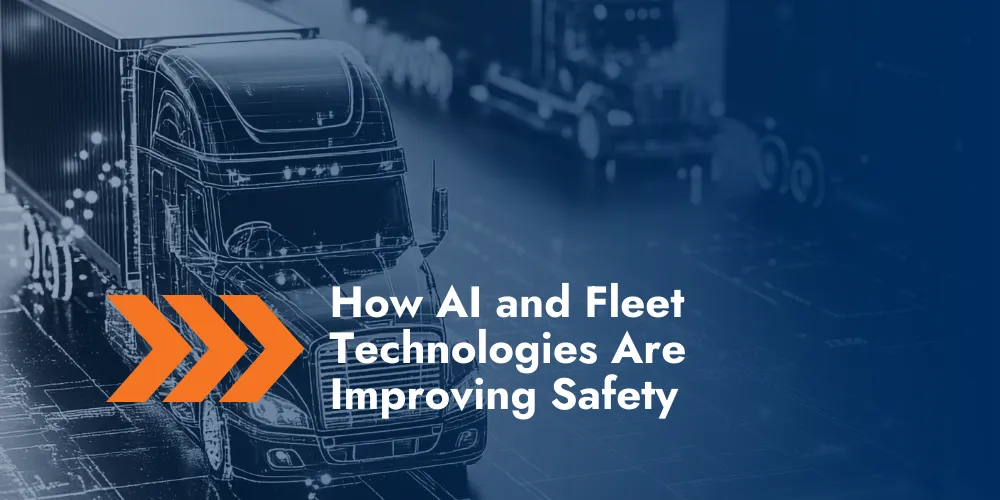
AI and Fleet Technologies Improve Truck Safety
Fleets have adopted AI-driven video telematics, predictive maintenance and tyre pressure monitoring, which have delivered reduced incidents, improved uptime and enhanced route management, while providing managers with real-time visibility and actionable safety insights.
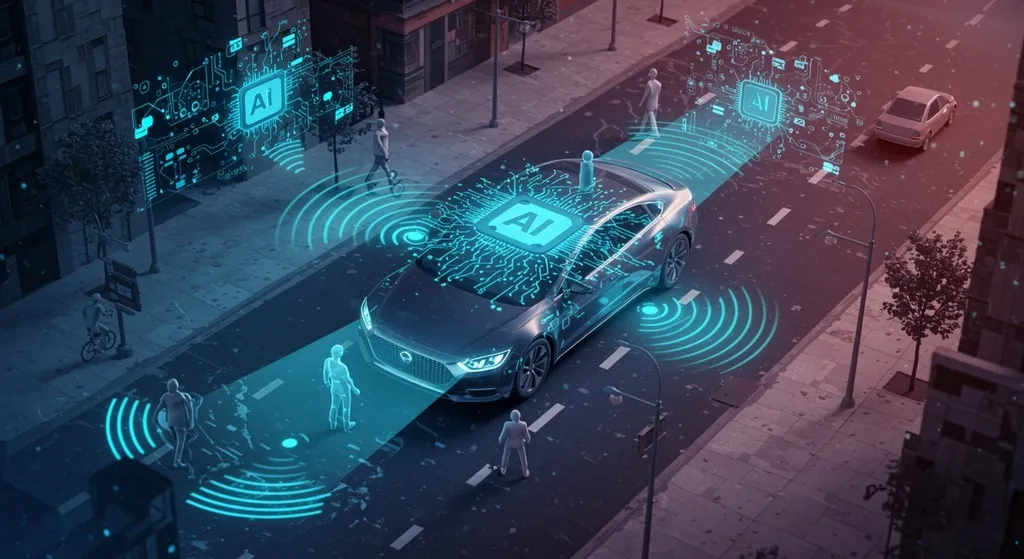
Transition to Software- and AI-Defined Vehicles
Automakers have adopted software-defined architectures, have begun integrating artificial intelligence across vehicle platforms, have implemented centralised computing and over-the-air updates, and have pursued flexible powertrain strategies and cross-regional partnerships and have created new monetisation opportunities.

Telcos and Nvidia deploy distributed AI grids
Nvidia and several telecoms operators have announced geographically distributed 'AI grids' to run AI inference at the network edge; validation tests have indicated potential latency and cost benefits, and operator deployments have commenced.
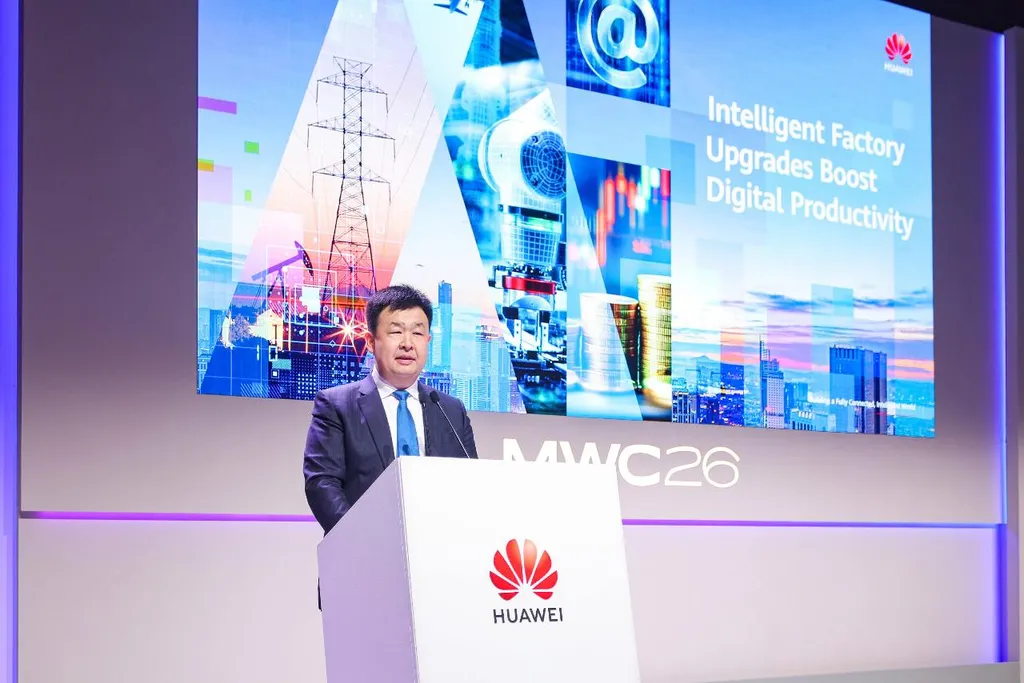
AI Integrates into Manufacturing Operations and Strategy
Manufacturers have increasingly integrated AI into operations, prioritising pilots, data standardisation and network infrastructure, and leaders have emphasised cross-disciplinary talent and sector-specific models to scale applications, with automotive companies having led early adoption.

AT&T, Cisco and Nvidia integrate AI into telecom networks
AT&T, Cisco and Nvidia have announced a collaboration that has integrated AI inference into telecom networks and edge computing. The partners have targeted enterprise video analytics, industrial monitoring and transport systems and have demonstrated deployments in public safety and industrial trials.